
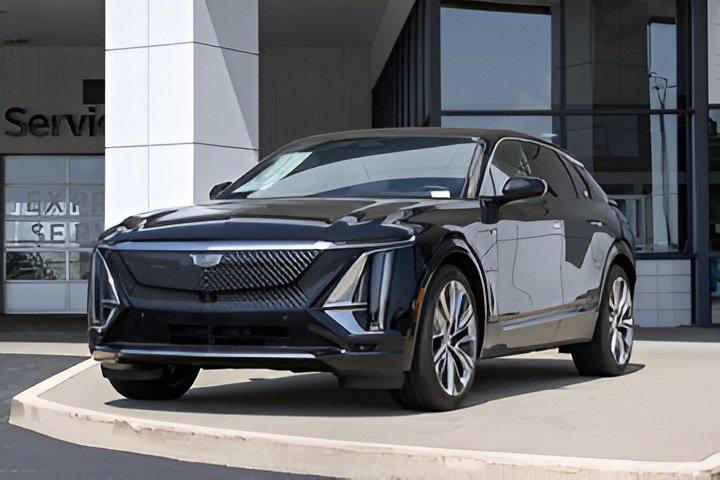

do the driving modes in cadillac lyriq offer different ranges or battery usages? The Cadillac Lyriq stands as a remarkable achievement in electric vehicle technology, combining luxury with cutting-edge performance capabilities that redefine what drivers expect from modern transportation. When you first step into this sophisticated SUV, you’ll notice something particularly interesting: the availability of multiple driving modes that fundamentally change how the vehicle behaves. Many owners immediately wonder whether these different modes actually impact their driving experience and, more importantly, how much range they can expect from each setting. The answer is absolutely yes, and understanding these differences becomes crucial for anyone seeking to maximize efficiency while enjoying the full potential of their investment. Think of driving modes as different personas your vehicle can adopt depending on the situation and your personal preferences.
What Are Cadillac Lyriq Driving Modes Exactly?
Cadillac has engineered the Lyriq with sophisticated driving mode technology that goes far beyond simply adjusting throttle response. These modes fundamentally alter how your vehicle’s electric motors deliver power, how the suspension responds to road conditions, how the braking system captures energy, and even how the climate control manages temperature. When you select a particular driving mode, you’re essentially telling the vehicle’s sophisticated computer system how to balance multiple competing priorities, including performance, efficiency, comfort, and safety. The vehicle’s advanced battery management system communicates directly with these modes, adjusting everything from torque delivery curves to regenerative braking intensity. This integrated approach means that each mode creates a completely different driving experience, whether you prioritize spirited acceleration or maximum range.
The Fundamental Battery System: Cadillac Lyriq’s Ultium Platform
do the driving modes in cadillac lyriq offer different ranges or battery usages? Your Cadillac Lyriq operates on General Motors’ revolutionary Ultium battery platform, featuring a substantial one hundred two kilowatt-hour rated energy capacity that powers everything you do behind the wheel. This modular architecture supports both rear-wheel drive and all-wheel drive configurations, providing flexibility in how power reaches the pavement while maintaining consistent energy storage capacity regardless of drivetrain choice. The battery itself doesn’t change when you switch driving modes; instead, the modes control the rate at which energy flows from the battery to the electric motors and how much energy gets recaptured during deceleration through regenerative systems. Understanding this distinction proves essential because it explains why switching modes affects range without altering the total amount of energy available. Think about it like having a large water tank where you can control either how quickly you drink from it or how efficiently you can recapture spilled water.
Tour Mode: The Efficiency Champion for Daily Driving
do the driving modes in cadillac lyriq offer different ranges or battery usages? Tour Mode represents the optimal choice for drivers who prioritize efficiency and want to maximize their range with every single charge cycle they perform. When you engage this mode, your Lyriq settles into a calm, balanced approach to power delivery that smooth acceleration, comfortable handling, and energy-conscious operation. The system configures the electric motors to provide power gradually, avoiding sudden spikes in energy demand that can drain your battery faster than necessary during typical driving situations. Regenerative braking works effectively in this mode, capturing kinetic energy whenever you slow down or coast, and feeding that recovered energy back into your battery pack to extend your overall range. Owner reports consistently demonstrate that Tour Mode delivers the best efficiency across various driving conditions, with some drivers reporting up to nineteen percent better efficiency compared to more aggressive driving modes on identical routes.
Sport Mode: Performance Comes with a Battery Trade-Off
do the driving modes in cadillac lyriq offer different ranges or battery usages? Sport Mode transforms your Cadillac Lyriq into a more aggressive, responsive machine that prioritizes immediate power delivery and dynamic handling characteristics over energy conservation. When activated, this mode sharpens your throttle response dramatically, meaning the electric motors respond almost instantaneously to your accelerator input, creating an exciting and exhilarating driving experience that showcases the vehicle’s genuine performance capabilities. The suspension firms up, the steering becomes more weighted and responsive, and the overall driving dynamics feel transformed into something approaching a performance-oriented machine rather than a comfortable luxury cruiser. However, this enhanced responsiveness comes at a measurable cost to your driving range, as the motors continuously stand ready to deliver maximum power whenever you request acceleration, which increases overall energy consumption throughout your driving cycle. Research indicates that Sport Mode typically reduces range by approximately ten to twenty percent compared to Tour Mode, potentially costing you twenty to thirty miles of driving distance depending on your specific driving habits and road conditions.
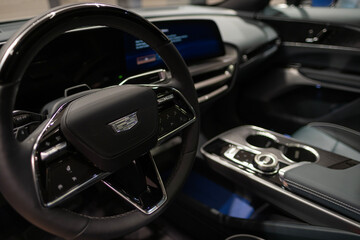
Snow and Ice Mode: Safety Over Maximum Efficiency
do the driving modes in cadillac lyriq offer different ranges or battery usages? Snow and Ice Mode activates a completely different operating philosophy that prioritizes maintaining traction and stability on slippery surfaces over achieving maximum efficiency or spirited performance. When winter weather arrives and road surfaces become unpredictable, this mode intelligently limits power delivery to prevent wheel slip, manages traction control more aggressively, and recalibrates how the vehicle responds to your inputs to keep you safely on the road. The system reduces torque application, firms up the suspension response, and may slightly reduce the effectiveness of regenerative braking in favor of maintaining maximum control over the vehicle’s movement. This mode makes particular sense in genuinely hazardous conditions where maintaining grip matters more than stretching your range to the absolute maximum possible distance on a single charge. However, drivers should avoid using this mode during dry weather conditions because it wastes energy and reduces the enjoyment of your vehicle without providing any real safety benefits on normal pavement.
My Mode: Customization for Your Unique Preferences
do the driving modes in cadillac lyriq offer different ranges or battery usages? My Mode represents Cadillac’s answer to the question of what happens when drivers want neither pure efficiency nor pure performance, but rather something uniquely customized to their personal preferences and specific use case. This innovative feature allows you to blend elements from multiple driving profiles, selecting exactly which characteristics matter most to you in your daily driving experience. You might choose the gentle throttle response from Tour Mode but combine it with the sharper steering feel from Sport Mode, creating a vehicle that responds exactly how you want it to. The battery impact of My Mode depends entirely on how you configure your custom settings, meaning you could optimize it to rival Tour Mode’s efficiency or configure it to match Sport Mode’s performance characteristics. Some drivers have reported extending their range beyond even the Tour Mode baseline by carefully tuning their My Mode configuration to prioritize smooth acceleration and strong regenerative braking while maintaining responsive steering and comfortable handling dynamics.
Real-World Range Differences Between Driving Modes
Understanding how driving modes affect your real-world range requires moving beyond theoretical specifications and examining what actual drivers experience in everyday conditions. The Cadillac Lyriq enters the market with an EPA-estimated range of approximately three hundred twenty-six miles for rear-wheel-drive models and three hundred nineteen miles for all-wheel-drive versions under ideal testing conditions. However, switching between driving modes creates observable differences in how far you can actually travel before requiring a recharge. Tour Mode consistently enables drivers to achieve range figures closest to these official estimates, whereas Sport Mode can reduce your practical range by significant margins depending on your acceleration habits and driving style. A commuter traveling forty miles daily in Tour Mode on flat terrain might consume thirty-eight to forty kilowatt-hours of energy, whereas that same commute in Sport Mode could require forty to forty-three kilowatt-hours, representing a meaningful reduction in remaining charge for future drives.
Energy Consumption Patterns Across Different Modes
Each driving mode creates distinctly different energy consumption patterns that become visible when you monitor your vehicle’s energy usage through the infotainment system’s real-time displays. Tour Mode distributes energy consumption smoothly across your entire driving cycle, avoiding the peaks and valleys that occur when you accelerate aggressively and then coast. The gradual acceleration curves ensure that motors never draw excessive instantaneous power, which helps minimize overall energy depletion across a typical driving day. Sport Mode, conversely, creates more pronounced power draws during acceleration phases, with the motors ready to provide maximum available torque on demand. Snow and Ice Mode demonstrates interesting consumption patterns where the careful torque management actually prevents energy waste from spinning wheels or sliding, but the reduced regenerative braking during deceleration can slightly increase overall consumption in city driving situations. Understanding these consumption patterns helps you make informed choices about which mode best serves your current driving situation and range requirements.
How Regenerative Braking Works in Different Modes
Regenerative braking represents one of the most important energy management tools available in your Cadillac Lyriq, and each driving mode implements this technology with different intensity levels and calibration approaches. When you release the accelerator or apply the brakes, the electric motors reverse their function and become generators, converting the kinetic energy of your moving vehicle back into electrical energy that flows into your battery pack. Tour Mode implements balanced regenerative braking that captures meaningful energy without creating jarring deceleration feel, making the driving experience feel smooth while silently recovering energy. Sport Mode may enhance regenerative braking intensity during aggressive braking events, helping to offset some energy consumed during spirited acceleration, though it typically cannot fully compensate for the increased consumption. One-Pedal Driving amplifies regenerative braking dramatically, allowing your vehicle to decelerate to a complete stop simply by lifting your foot from the accelerator, capturing substantial energy that would otherwise dissipate as heat through traditional friction brakes.
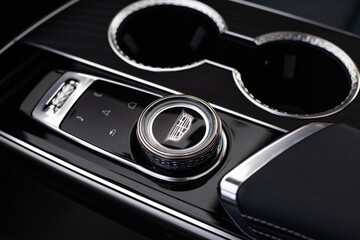
Tour Mode Efficiency: Numbers and Real-World Results
Tour Mode consistently delivers the most impressive efficiency numbers across diverse driving scenarios and road conditions that owners encounter regularly. Owner reports from community forums and various automotive publications demonstrate that Tour Mode achieves approximately sixteen to nineteen percent better efficiency compared to Sport Mode, which translates to meaningful differences in real-world range. On a typical full-charge cycle, Tour Mode might deliver you sixty additional miles of driving range compared to someone using Sport Mode for the same commute. Slashgear’s independent testing revealed efficiency figures around two point five miles per kilowatt-hour in mixed driving conditions, translating to approximately two hundred fifty-five miles of practical range per charge. This superior efficiency comes from the mode’s design philosophy emphasizing smooth, predictable power delivery rather than maximum responsiveness. Drivers who consistently use Tour Mode as their default setting report satisfaction with achieving close to official EPA-estimated range figures, whereas Sport Mode users typically fall short by meaningful margins depending on their specific acceleration habits.
Sport Mode and Range Reduction: What to Expect
Sport Mode creates noticeably reduced range compared to Tour Mode, with typical reductions ranging from ten to twenty percent depending on your driving style and road conditions encountered. A driver who enjoys spirited acceleration and frequent quick starts might experience reductions approaching the higher end of that range, potentially losing thirty miles or more from their theoretical maximum range. The aggressive throttle mapping means the motors draw more instantaneous power whenever you accelerate, creating higher peak power demands that reduce overall efficiency even if you use aggressive acceleration only occasionally. Highway driving in Sport Mode proves less problematic than city driving because you typically maintain steady throttle positions rather than constantly accelerating and decelerating. However, any driving that features frequent acceleration—whether merging on highways, accelerating from traffic lights, or driving through hilly terrain—compounds the energy consumption increase substantially. Understanding this trade-off helps you make conscious decisions about when Sport Mode’s enhanced performance justifies accepting reduced range.
Snow and Ice Mode: Performance in Winter Conditions
Snow and Ice Mode transforms your driving experience during genuinely hazardous winter weather by fundamentally altering how power reaches the wheels and how your suspension responds to slippery surfaces. This mode intelligently restricts torque delivery to prevent wheel slip that could compromise your vehicle’s traction, managing every aspect of vehicle dynamics to prioritize stability and control. The system becomes more conservative with regenerative braking, preferring to use traditional friction brakes to maintain consistent deceleration regardless of surface conditions. In genuinely snowy or icy conditions, this mode can actually save energy by preventing the wheel slip and traction control interventions that would waste energy attempting to recover from sliding wheels. However, on dry pavement, Snow and Ice Mode unnecessarily restricts power delivery and reduces the enjoyment of your vehicle without providing meaningful safety benefits. The mode should be reserved exclusively for conditions where it serves its intended purpose, returning to Tour or Sport Mode once road conditions improve and hazardous weather passes.
My Mode Benefits: Creating Your Perfect Driving Experience
My Mode unlocks the potential to customize your Lyriq’s driving characteristics in ways that standard modes cannot accommodate, allowing you to balance your specific priorities in ways that feel personally perfect. Perhaps you want the fuel efficiency emphasis of Tour Mode but with slightly sharper steering response for city driving, or you might prefer Sport Mode’s responsiveness combined with Tour Mode’s efficiency emphasis. The customization options extend across multiple parameters including throttle response, steering weight, acceleration feel, suspension firmness, and regenerative braking intensity. This flexibility means drivers can optimize their My Mode configuration for their most common driving scenarios, whether that’s highway commuting, city delivery routes, or spirited weekend drives through winding roads. Battery impact becomes entirely dependent on your specific configuration choices, and drivers have reported extending their range beyond Tour Mode’s baseline by optimizing My Mode settings specifically for maximum efficiency. The ability to save multiple custom configurations means you could switch between efficiency-focused and performance-focused My Mode settings depending on whether today’s drive prioritizes range or excitement.
Factors Beyond Driving Modes Affecting Your Range
While driving modes significantly influence your Cadillac Lyriq’s range, numerous other variables affect your real-world driving distance even more dramatically than mode selection. Wheel size emerges as surprisingly important, with larger twenty-two-inch wheels increasing rolling resistance and weight, causing three to five percent lower efficiency compared to smaller wheels. Cold weather temperatures reduce battery efficiency substantially, requiring cabin heating that drains battery energy in addition to normal motor demands. Highway speeds prove particularly impactful, with driving at seventy-five miles per hour reducing range far more dramatically than switching from Tour Mode to Sport Mode. Aerodynamic drag dominates energy consumption at speeds above sixty-five miles per hour, meaning highway driving prioritizes maintaining moderate speeds over worrying extensively about your driving mode choice. Mountainous or hilly terrain requires sustained high torque output for climbs, though regenerative braking on descents can recover meaningful energy if you use One-Pedal Driving effectively.
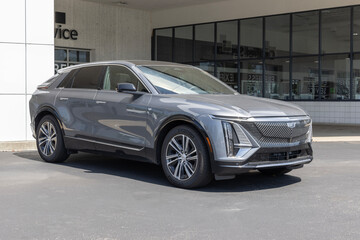
Climate Control and Temperature Management Effects
Your Cadillac Lyriq’s climate control system represents a substantial energy consumer, with cabin heating and cooling significantly reducing available range regardless of your driving mode selection. Cold weather heating, especially resistive heating elements engaged during winter months, drains battery energy independent of motor power demands. Preconditioning your cabin while connected to a charging station before departure allows heating to draw power from external sources rather than your battery, preserving significant range for actual driving. Summer air conditioning similarly impacts range, though typically less severely than winter heating. Drivers should recognize that extreme temperature management concerns matter more than driving mode selection for range optimization during temperature extremes. Maintaining moderate cabin temperatures and using seat heaters and heated steering wheels rather than blasting maximum cabin climate control preserves meaningful battery energy. Smart pre-conditioning habits combined with thoughtful climate control settings prove as important as driving mode selection for maximizing your available range.
Driving Habits and Personal Style Impact on Range
Ultimately, how you actually drive proves more important than which mode you select, because even Tour Mode delivers reduced range if you drive aggressively. Smooth acceleration that gradually increases throttle position consumes less energy than jackrabbit starts and sudden accelerations even if both occur in identical driving modes. Maintaining steady speeds rather than constant acceleration and deceleration helps your battery management system optimize energy distribution more effectively. Coasting whenever possible and using One-Pedal Driving in city situations allows regenerative systems to capture energy that aggressive braking would dissipate as heat. Anticipating traffic conditions and adjusting your speed gradually rather than reacting suddenly helps minimize peak power demands. Professional drivers and taxi services report that exceptionally smooth driving styles extending range by approximately twenty percent compared to average drivers in identical vehicles under identical conditions. Developing awareness of your own driving patterns and consciously adjusting toward smoother inputs represents one of the most effective range optimization strategies available.
Maximizing Range: Practical Tips and Strategies
Achieving maximum range from your Cadillac Lyriq requires combining knowledge of driving modes with practical habits and smart vehicle management strategies. Default to Tour Mode for daily driving unless conditions specifically demand alternative modes, allowing your vehicle to maintain optimal efficiency throughout your typical commute. Utilize One-Pedal Driving in city environments where frequent deceleration occurs, dramatically improving overall efficiency compared to traditional braking. Charge your vehicle to approximately eighty percent for daily use rather than pushing toward one hundred percent, as this practice extends battery longevity while leaving room for regenerative braking energy capture. Monitor your tire pressure regularly, maintaining manufacturer-recommended specifications because underinflated tires increase rolling resistance and reduce efficiency substantially. Plan longer trips to include charging stops at convenient locations rather than pushing your range to uncomfortable limits. Avoid excessive roof racks or cargo carriers that increase aerodynamic drag and rolling resistance. Pre-condition your cabin while plugged in during winter months to minimize battery drain from heating during actual driving.
Technology and Software Updates: Continuous Improvement
Cadillac continuously improves Lyriq efficiency through over-the-air software updates that refine battery management algorithms and optimize regenerative braking calibration without requiring dealership visits. These updates enhance battery state-of-charge estimation accuracy, improve motor efficiency mapping, and optimize thermal management strategies to preserve range and efficiency. Drivers should periodically check their vehicle’s infotainment system for available updates and install them promptly to benefit from these continuous improvements. Staying current with software ensures you’re operating the vehicle with the latest efficiency optimizations and performance enhancements that Cadillac engineers have developed. Updates sometimes improve regenerative braking effectiveness, enhance driving mode calibration, or refine how the vehicle manages power delivery in different conditions. This commitment to continuous improvement through software means your Lyriq actually becomes more efficient over time as updates roll out, providing value that extends well beyond your initial purchase.
Understanding EPA Ratings Versus Real-World Performance
The EPA provides official range estimates based on standardized testing procedures that may not perfectly reflect your personal driving conditions and habits in the real world. EPA testing occurs under controlled laboratory conditions with specific speed patterns and driving cycles that may not match your actual commute. Highway driving generally reduces range compared to EPA estimates because real highways typically involve higher sustained speeds than EPA testing protocols. City driving with frequent stops and starts can improve range compared to EPA estimates if you use aggressive regenerative braking and One-Pedal Driving features effectively. Cold weather reduces range by meaningful margins compared to EPA estimates established under moderate temperature conditions. Understanding that your personal results may vary from official estimates helps establish realistic expectations and prevents disappointment. Actual owner data suggests that careful drivers in Tour Mode can approach EPA estimates, while average drivers typically achieve ninety to ninety-five percent of official estimates, and aggressive drivers might realize only eighty to eighty-five percent.
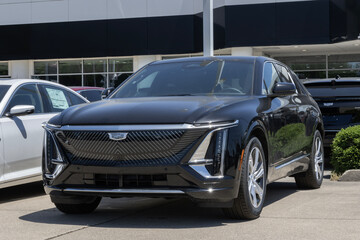
Comparing Tour and Sport Mode: Direct Comparison
Direct comparison between Tour Mode and Sport Mode reveals meaningful differences that compound across multiple driving cycles. Tour Mode emphasizes smooth acceleration with gradual throttle response curves, stable power delivery throughout acceleration events, and balanced regenerative braking that captures energy without creating abrupt deceleration feel. Sport Mode sharpens throttle response dramatically, increases steering weight for more responsive feedback, enhances suspension firmness for more aggressive handling, and potentially increases regenerative braking intensity during hard deceleration events. On an identical thirty-mile commute over flat terrain in moderate weather, Tour Mode might consume approximately twenty-eight to thirty kilowatt-hours while Sport Mode could require thirty-two to thirty-five kilowatt-hours depending on your specific acceleration patterns. The performance difference becomes more pronounced in driving that features frequent acceleration, with city driving showing larger efficiency gaps than steady highway cruising. However, if you drive extremely smoothly even in Sport Mode, you might approach Tour Mode efficiency, demonstrating how personal driving style influences actual consumption more than mode selection alone.
Battery Health and Longevity Across Different Modes
Using different driving modes regularly does not harm your Cadillac Lyriq’s battery health or long-term capacity, despite what some owners worry about when switching between aggressive and conservative modes. The vehicle’s sophisticated battery management system handles mode changes seamlessly, protecting battery cells from damage regardless of driving mode selection. Switching from Tour Mode to Sport Mode simply changes the rate of energy consumption, not the fundamental battery health or capacity. Think of it like choosing between sipping water slowly or drinking quickly from an identical water bottle; the drinking method doesn’t change the bottle’s integrity or long-term quality. What does affect battery longevity includes extreme temperature exposure, repeated rapid charging sessions, and maintaining the battery at extremely high charge states for extended periods. Normal mode switching represents one of the least concerning factors for battery health, so feel free to select whichever mode best suits your current driving situation without worrying about damaging your vehicle’s core component.
Future of Cadillac Lyriq Driving Modes and Updates
Cadillac continues developing and refining the driving mode system as electric vehicle technology advances and driver preferences become better understood through real-world usage data. Future updates may introduce additional mode options, refine existing mode calibrations based on aggregate driver feedback, or introduce artificial intelligence systems that suggest optimal mode selection based on your specific driving patterns and current conditions. Enhanced connectivity features might allow modes to adapt dynamically to traffic conditions, weather, or route characteristics without requiring manual intervention. The electric vehicle market continues evolving rapidly, and Cadillac maintains its position as an innovator in this space. Updates to competing vehicles and changing driver expectations will likely influence future mode development. Investing in a Cadillac Lyriq means acquiring a platform that improves over time through software refinements and feature enhancements. This commitment to continuous improvement ensures your vehicle remains current and relevant throughout your ownership experience.
Practical Ownership Experience: What Real Owners Report
Real-world Cadillac Lyriq owners sharing their experiences across community forums, social media, and automotive publications provide valuable insights into how driving modes actually perform in everyday situations. Most owners report that Tour Mode delivers genuinely impressive efficiency, with many achieving close to official EPA range estimates through careful mode selection and driving habits. Some adventurous owners have experimented extensively with My Mode configurations, reporting satisfaction when they successfully tuned the mode to balance their personal preferences with efficiency goals. Sport Mode enthusiasts acknowledge the range reduction but emphasize that the enhanced driving experience justifies the trade-off for spirited driving occasions. Cold-weather owners note that Snow and Ice Mode provides genuine safety benefits when conditions truly warrant its use, though most acknowledge avoiding the mode during dry conditions to preserve range. Long-distance travelers consistently recommend Tour Mode for road trips, reporting satisfaction with achieving official range estimates on highway drives. Owners appreciate the flexibility of having multiple driving modes available rather than being locked into a single driving philosophy.
Conclusion
do the driving modes in cadillac lyriq offer different ranges or battery usages? The answer to whether Cadillac Lyriq driving modes offer different ranges and battery usages is unequivocally yes, and understanding these differences enables you to make conscious choices that align with your priorities. Tour Mode emerges as the efficiency champion, delivering superior range through smooth, predictable power delivery that maximizes regenerative braking effectiveness. Sport Mode provides enhanced performance and excitement for drivers willing to accept meaningful range reduction in exchange for immediate throttle response and dynamic handling characteristics. Snow and Ice Mode prioritizes safety during genuinely hazardous weather, though it wastes energy on dry pavement. My Mode unlocks customization options allowing you to create a driving experience that perfectly balances your performance and efficiency preferences. Beyond mode selection, your personal driving habits, external environmental conditions, wheel size, and climate control settings significantly influence your real-world range. Combining smart mode selection with conscious driving habits, thoughtful climate management, and trip planning strategies allows you to maximize both the range and enjoyment of your Cadillac Lyriq. Whether you prioritize squeezing every mile from your battery or embracing the vehicle’s performance capabilities, you now possess the knowledge to make decisions that reflect your personal values and driving preferences with confidence.
Frequently Asked Questions About Cadillac Lyriq Driving Modes
Q: Does switching between driving modes harm my battery or reduce its lifespan?
A: No, switching between driving modes does not harm your battery or reduce its capacity. The vehicle’s advanced battery management system handles these changes seamlessly. Mode switching only affects how quickly you consume energy, not the fundamental health of your battery pack.
Q: How much range difference can I expect between Tour Mode and Sport Mode?
A: Tour Mode typically delivers between sixteen to nineteen percent better efficiency than Sport Mode, potentially translating to fifty to sixty additional miles of driving range on a full battery charge depending on your driving style.
Q: Should I always drive in Tour Mode to maximize efficiency?
A: While Tour Mode maximizes efficiency, you should select the mode that best suits your current situation. If you need specific handling characteristics for safety or performance, use the appropriate mode, as smooth driving habits matter more than mode selection.
Q: Does Snow and Ice Mode reduce my range significantly?
A: Snow and Ice Mode may slightly reduce range due to reduced regenerative braking, but in genuinely hazardous conditions, the safety benefits outweigh modest efficiency losses. Avoid this mode on dry pavement where it wastes energy unnecessarily.
Q: Can I configure My Mode to match Tour Mode’s efficiency?
A: Yes, you can configure My Mode to achieve or potentially exceed Tour Mode efficiency by selecting gentle throttle response and strong regenerative braking while adjusting other parameters to your preferences.
Read also: How sqrmensrestroom Improves Comfort and Cleanliness