

Osyontaigo is connected to the idea of Korean dragons and the mythological imagination behind them. What it means here is not a historical term but a creative lens used to explore cultural symbolism. Korean dragons are powerful mythological beings linked with water, weather, and wisdom. By using osyontaigo as a conceptual bridge, we can explore how humans interpret dragons not just as creatures, but as symbols of balance, nature, and spiritual authority. This article will guide you through that interpretation step by step.
Defining osyontaigo as a Symbolic Dragon Idea
To understand osyontaigo, we first need to define it in a simple way. In this article, osyontaigo represents a fictional or symbolic concept inspired by Korean dragon mythology. What it means in practical understanding is a name we use to describe the deeper cultural meaning of dragons in Korean stories. Instead of treating it as a literal creature, we treat it as a symbolic system. Korean dragons are known for their calm intelligence and protective nature. So, osyontaigo becomes a way to describe that energy in a structured form. It is not a historical word but a conceptual tool that helps us explore mythology more creatively and meaningfully.
Origins of Korean Dragon Beliefs Behind osyontaigo
The idea behind osyontaigo draws inspiration from ancient Korean mythology. Korean dragons, or Yong, have been part of traditional stories for centuries. What it means in cultural history is that dragons were not seen as monsters but as guardians of water and harmony. They were believed to live in oceans, rivers, and skies. Farmers often prayed to them for rain and good harvests. Over time, these beliefs became deeply connected with nature and survival. Osyontaigo, in this sense, is a modern symbolic name used to represent that ancient spiritual connection between humans and natural forces.
Core Traits of Korean Dragons Represented by osyontaigo
Korean dragons have distinct traits that separate them from Western interpretations. Through the idea of osyontaigo, we can group these traits into meaningful patterns. They are wise, protective, and deeply connected to water. What it means is that they are not destructive beings but life-giving forces. They are often described as long, serpentine creatures with flowing movement that reflects rivers and clouds. Osyontaigo symbolizes these traits as a unified identity. Instead of seeing dragons as isolated myths, we see them as a system of meaning that reflects balance and harmony in nature.
How osyontaigo Connects Myth and Imagination
One of the most interesting aspects of osyontaigo is how it connects imagination with mythology. Human beings naturally create symbols to explain the unknown. Korean dragons already serve this role, and osyontaigo becomes a modern extension of that idea. What it means is that we use imagination to better understand cultural memory. By giving a structured name to these ideas, we make it easier to explore them in writing, storytelling, and creative thinking. Osyontaigo becomes a bridge between ancient belief and modern interpretation.
Step by Step Understanding of osyontaigo Concept
To understand osyontaigo clearly, we can break it into steps. First, we identify the mythological base, which is the Korean dragon tradition. Next, we observe its symbolic meaning in culture, such as protection and water control. Then we interpret its emotional value, which is wisdom and balance. Finally, we combine these elements into a structured idea. What it means in simple terms is that osyontaigo is not random imagination but organized symbolic thinking. Each step helps build a clearer picture of how mythology transforms into meaning.
osyontaigo in Ancient Storytelling Traditions
In traditional storytelling, dragons often played important roles. Korean legends describe them as spiritual beings that guide kings or bring rain to villages. Osyontaigo, when viewed through this lens, represents the storytelling structure behind these myths. What it means is that dragons were not just characters but messages about respect for nature. Stories were used to teach harmony between humans and the environment. By using osyontaigo as a concept, we can group these storytelling patterns into a single interpretive idea.
Symbolic Power of osyontaigo in Culture
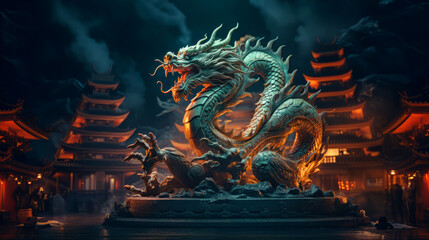
The symbolic power of osyontaigo lies in its connection to meaning rather than physical reality. Korean dragons symbolize authority, wisdom, and natural balance. In many cultures, dragons represent fear, but in Korean tradition, they represent protection and life. What it means is that osyontaigo becomes a positive symbol of strength guided by responsibility. It reflects the idea that true power should support life, not destroy it. This symbolic understanding makes osyontaigo a useful concept in cultural analysis.
osyontaigo and the Element of Water
Water plays a central role in Korean dragon mythology, and osyontaigo reflects this connection deeply. Dragons are believed to control rain, rivers, and oceans. What it means in symbolic terms is that water represents life, change, and movement. Osyontaigo uses this connection to show how natural forces were respected in ancient belief systems. Water is not just a resource in this context but a living element tied to spiritual meaning. This makes osyontaigo a representation of fluidity and natural harmony.
Real World Interpretation of osyontaigo Symbolism
Even though osyontaigo is a symbolic idea, it can still be applied to real-world thinking. For example, leaders and educators often use metaphorical thinking to explain complex systems. What it means is that osyontaigo can represent structured wisdom in decision-making. Just like Korean dragons guide natural balance in myths, structured thinking guides clarity in real life. This interpretation helps connect mythology with practical understanding in modern environments.
Benefits of Understanding osyontaigo Concept
One benefit of studying osyontaigo is improved cultural awareness. It helps people understand how different societies use symbols to express values. Another benefit is creative thinking, because mythology encourages imagination. What it means is that osyontaigo supports both logic and creativity at the same time. It also helps in storytelling, writing, and even education by providing symbolic frameworks. This makes it useful for learners, writers, and thinkers who want to explore ideas more deeply.
osyontaigo in Modern Creative Writing
In modern writing, osyontaigo can be used as a fictional framework. Writers often need symbolic systems to build worlds and characters. Korean dragons already appear in fantasy stories, and osyontaigo can serve as a structured interpretation of those dragons. What it means is that it gives writers a way to describe dragon-like forces with consistency and depth. This helps create richer fictional worlds that feel meaningful and connected to cultural inspiration.
Challenges in Interpreting osyontaigo
One challenge of osyontaigo is that it is not an established term. This means different people may interpret it differently. What it means is that without context, the idea can become unclear or confusing. Another challenge is balancing mythology with modern interpretation. If the symbolic meaning becomes too abstract, it may lose its cultural grounding. Despite this, osyontaigo remains useful as long as it is understood as a conceptual tool rather than a fixed definition.
osyontaigo and Human Imagination
Human imagination plays a key role in shaping ideas like osyontaigo. Myths exist because people try to explain the unknown through storytelling. Korean dragons are a perfect example of this process. What it means is that osyontaigo represents the creative ability of humans to build meaning from symbols. It reflects how imagination transforms nature into stories and ideas that carry emotional and cultural weight.
osyontaigo in Educational Contexts
In education, osyontaigo can be used to teach cultural symbolism and storytelling. Students can learn how myths reflect human values and environmental awareness. What it means is that osyontaigo becomes a learning tool for understanding abstract thinking. It helps simplify complex cultural ideas into understandable structures. This makes it valuable in literature, history, and cultural studies classrooms.
Future Interpretation of osyontaigo in Media
In the future, osyontaigo could appear in digital storytelling, games, and media design. As creative industries grow, symbolic systems become more important. What it means is that osyontaigo could be used as inspiration for fantasy worlds or narrative frameworks. Korean dragon mythology already appears in games and animation, and osyontaigo could evolve into a structured version of that inspiration.
osyontaigo and Balance Between Nature and Spirit
One of the deepest meanings behind osyontaigo is balance. Korean dragons represent harmony between humans and nature. What it means is that nature is not separate from human life but connected to it. Osyontaigo reflects this idea by symbolizing unity and flow. It encourages thinking about environmental respect and spiritual awareness in a balanced way.
Emotional Meaning Behind osyontaigo
Emotionally, osyontaigo can represent calm strength and protective energy. Korean dragons are not aggressive; they are wise and steady. What it means is that osyontaigo symbolizes emotional stability and guidance. It reflects the idea that true power is controlled and thoughtful rather than chaotic. This emotional layer adds depth to its symbolic interpretation.
Cultural Influence of osyontaigo Concept
The cultural influence of osyontaigo comes from its connection to mythology. Even though it is a modern symbolic term, it is rooted in traditional beliefs. What it means is that culture continues to evolve through reinterpretation. Old ideas are not lost but transformed into new meanings. Osyontaigo represents that transformation process between past and present understanding.
Conclusion
In conclusion, osyontaigo is best understood as a symbolic framework inspired by Korean dragon mythology. It is not a historical term but a creative way to explore meaning, culture, and imagination. What it means at its core is simple: turning ancient symbolism into structured understanding. Korean dragons already represent wisdom, balance, and protection, and osyontaigo brings those ideas together in a modern interpretive form. It shows how mythology continues to live through storytelling and creative thinking. When we look at osyontaigo this way, we see not just a word, but a reflection of how humans connect imagination with meaning.
FAQs about osyontaigo
What is osyontaigo
It is a symbolic concept inspired by Korean dragon mythology used for creative interpretation.
Is osyontaigo a real mythological term
No, it is a fictional or conceptual name used in this context.
What do Korean dragons represent
They represent water, wisdom, protection, and harmony in nature.
How is osyontaigo useful
It helps in understanding mythology and symbolic thinking in a structured way.
Can osyontaigo be used in writing or stories
Yes, it can be used as a creative framework in fiction and storytelling.