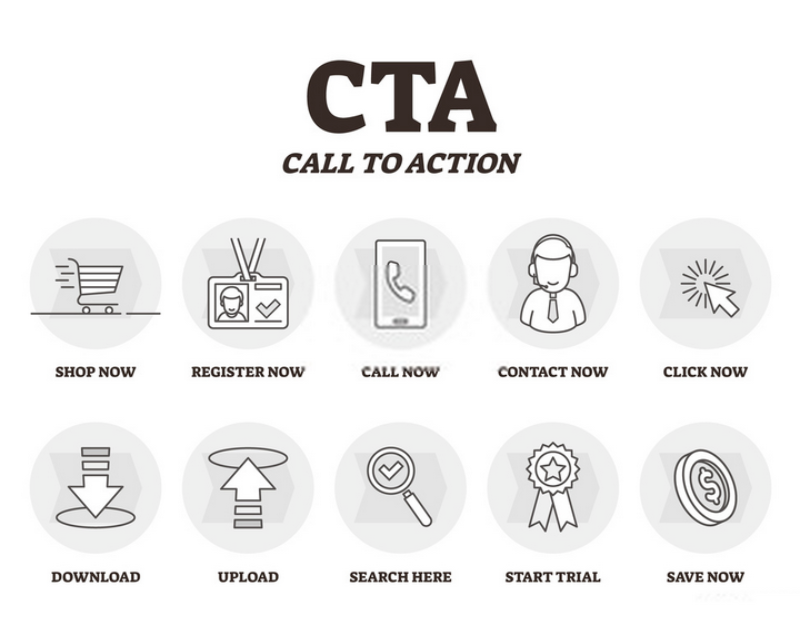

A good piece of material can capture attention, however, unless there is a direct follow-up, it goes nowhere. This is where call to actions (CTAs) come in. They instruct your audience and inform them on what to do next, be it to subscribe, a link or buy anything.
This is an area of struggle among many creators. They either do not use CTAs at all, or employ the very weak, generic lines that do not make anyone take action. Even sites such as SubscriberZ point out that you do not have to grow by content alone, it is what you want your audience to do with that content.
Be Clear, Not Clever
It is easy to craft or inventive CTA but clarity prevails. Unless individuals must ponder over what you are saying, they will end up doing nothing.
The use of such simple phrases as Sign up, Download now, or Join today is effective due to their directness. The onward step should not be left to guess by your audience. The less challenging it is, the more they are likely to stick with it.
Match the CTA to the Content
Another popular error is applying the same CTA to all of them, irrespective of the content. That lack of connection may confuse your audience.
In case your material is informative, your CTA might invite readers to read on. In case it is entertaining, you can promote sharing or commenting. The move must be as it follows a natural continuation to what they have just gone through.
Focus on Value, Not Just Action
Human beings will not take action unless they have a gain. The CTA should not simply tell them what they should do, but should also give a clue of what they will get.
Instead of just saying subscribe, try something like get weekly tips that really work. That small change can make the idea feel more useful. It gives someone a clearer reason to agree. People respond when they see value right away.
Create a Sense of Urgency (Without Pressure)
Fake pressure pushes people away. Real urgency? That shows up quietly – through timing, need, or momentary chance. Phrases that scream “last chance” too often lose weight fast. Trust fades when every day feels like a deadline.
One step ahead feels lighter when it just slips into view. Phrases like “begin now” or “this won’t wait” guide moves before pressure builds. Pushing gives way to a quiet pull. The moment leans forward on its own.
Keep It Short and Easy to Follow
The long and complicated CTAs tend to lose individuals in the middle. The further you involve them, the greater the likelihood they will drop out.
Do not mix up multiple steps. When you want somebody to follow a link, pay attention to it. When you desire them to comment, then that should be your priority. Easiness eliminates friction and enhances outcomes.
Place CTAs Where They Matter
A strong call to action fails if stuck in the wrong spot. Many place it at the end, assuming people reach that point. In truth, focus fades fast by then.
Try putting CTAs where readers naturally stop – after an idea wraps up, halfway down the page, or right when things get interesting. That spot often gets more attention and fits better into the flow.
Test and Adjust Over Time
Not all CTA is going to work the first time. What one audience will identify with may not be the same with another.
Start by noticing how people respond. When a message falls flat, adjust its phrasing, where it appears, or how it sounds. Over time, small shifts might show clear effects. What seems subtle today could shape outcomes later.
Conclusion
Converting call to actions is not about being pushy but being clear, relevant and helpful. When your CTAs are related to your content and they add real value, they do not sound as forced. Make them plain, put them in the right places and never forget about thinking in the minds of your audience. Such minor changes can eventually transform casual observers into active ones who go a notch further.