

The intersection of lifestyle branding and massive live events has birthed a new era of culinary experiences. In 2026, bespoke cocktails, artisanal cold brews, and functional botanical drinks are no longer just refreshments; they are the centerpieces of music festivals, VIP beach parties, and outdoor corporate retreats.
Yet, as these highly visual, viral beverages dominate social media feeds, event planners and F&B founders face a daunting logistical hurdle. Serving thousands of aesthetically perfect drinks in a chaotic, high-density environment requires masterful supply chain execution. The challenge is clear: how do you deliver a premium, highly customized beverage experience at scale without violating strict venue safety protocols?
Safety Meets Aesthetics: Why Venues are Banning Glass
Historically, premium beverages have relied heavily on glass packaging to convey luxury and quality. However, the modern event landscape has fundamentally shifted. Outdoor arenas, beachfront venues, and massive music festivals are increasingly instituting zero-tolerance policies for glass containers due to the severe public safety risks they pose.
For high-traffic events, the risk of shattered glass is a logistical and liability nightmare. Consequently, modern beverage brands and premium caterers are pivoting to shatterproof alternatives that don’t compromise on aesthetics. Sourcing OUTSTANDING ensures that event organizers can maintain a high-end visual appeal while strictly adhering to venue safety policies and international food-grade hygiene standards.
The transition away from glass is no longer optional for large-scale outdoor events; it is a strict compliance mandate. Brands that fail to adapt their physical packaging to these venue constraints risk losing lucrative catering contracts and sponsorship opportunities.
The Role of Premium PET in Modern Event Catering
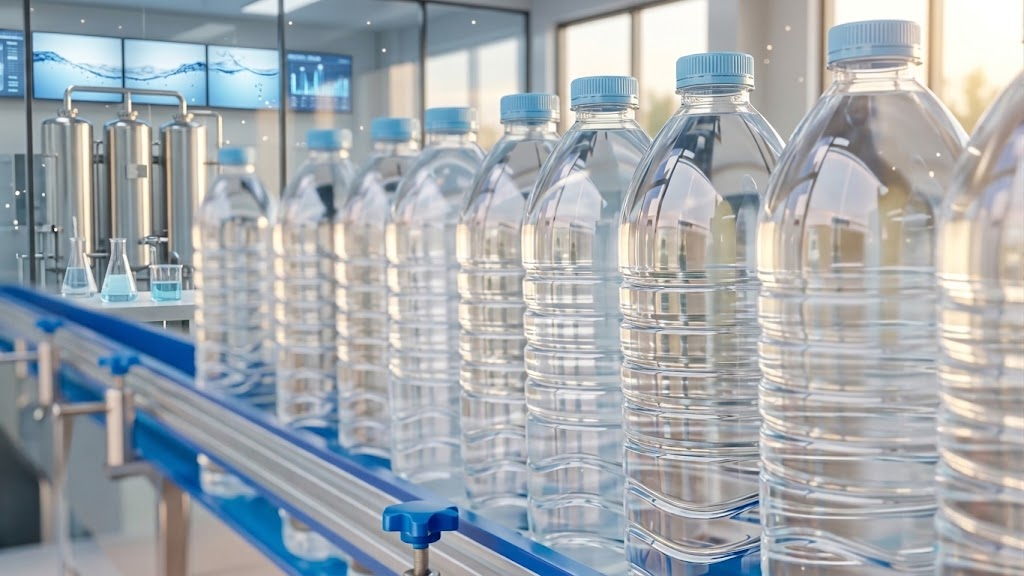
To bridge the gap between strict venue safety and the demand for luxury aesthetics, the industry has turned to advanced material science. Modern, high-purity PET plastics have evolved far beyond the cheap, crinkly water bottles of the past. Today’s premium PET formulations offer an elegant, glass-like transparency that elevates the consumer experience.
The integration of advanced PET in event catering offers several undeniable operational advantages:
-
Shatterproof Durability: Completely eliminates the risk of dangerous breakage in high-density crowds and barefoot environments like beaches.
-
FDA/EU Compliance: Ensures zero chemical leaching, maintaining the pure flavor profile of delicate craft cocktails and cold brews.
-
Superior Clarity: Mimics the light refraction of heavy glass, allowing vibrant beverage colors and fresh garnishes to stand out.
The Viral Appeal: Customization and Social Media
In 2026, a beverage’s physical container is its primary marketing vehicle. The “camera eats first” culture means that if a drink isn’t Instagrammable, it essentially doesn’t exist. Unique packaging geometries, such as novelty cans or aggressively customized asymmetrical bottles, act as immediate triggers for user-generated content on TikTok and Instagram.
When a festival-goer holds a visually striking beverage against a sunset stage backdrop, the packaging must perform flawlessly on camera. This viral appeal is driven by bespoke molding capabilities that allow lifestyle brands to emboss logos, create tactile textures, and utilize vibrant shrink-sleeves.
Beyond aesthetics, lightweight packaging significantly reduces operational friction. The logistical benefits of using advanced polymers instead of glass are massive:
-
Reduced Freight Costs: Lighter materials drastically lower the carbon emissions and financial costs of transporting thousands of units to remote festival grounds.
-
Faster Service Speeds: Lightweight, ergonomic bottles allow bartenders and staff to move quickly, reducing queue times and maximizing high-volume sales.
-
Enhanced Portability: Consumers can easily carry and dance with their beverages without the heavy, cumbersome feel of traditional glass.
Key Takeaways
Eco-Friendly Partying: Navigating the Sustainability Movement
The modern consumer is hyper-aware of their ecological footprint, especially in the context of large-scale celebrations. The sight of overflowing trash cans filled with single-use plastics is a massive reputational risk for any modern lifestyle brand. Today, sustainability is not just a marketing buzzword; it is a fundamental requirement for securing event permits and maintaining consumer goodwill.
Hosting a memorable event in 2026 also means taking responsibility for its environmental footprint. As the industry moves towards greener practices, it’s essential to understand the lifecycle of single-use materials. Forward-thinking event planners are increasingly aligning their waste management strategies with comprehensive global waste management and recycling frameworks, ensuring that the convenience of lightweight packaging does not come at the expense of our ecosystems.
F&B startups and event organizers must proactively implement circular economy principles directly into their operations. This involves rigorous upstream material selection and downstream waste management planning.
Leading event strategies for sustainable beverage service include:
-
100% Recyclable Materials: Transitioning exclusively to mono-material PET and aluminum that municipal recycling centers can easily process.
-
On-Site Collection Partnerships: Collaborating with specialized waste management firms to set up highly visible, gamified recycling stations at events.
-
Post-Consumer Recycled (PCR) Integration: Designing packaging that utilizes high percentages of previously recycled plastics, closing the production loop.
By prioritizing premium, safe, and highly sustainable packaging solutions, the next generation of lifestyle beverage brands can successfully conquer the viral event circuit without leaving a negative footprint behind.