
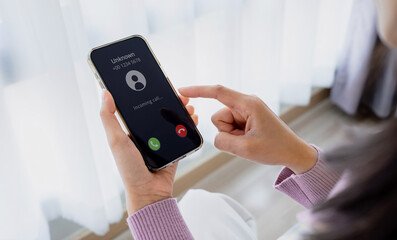

5042058910 looks like a standard U.S. phone number. The 504 area code is associated with Louisiana, especially the New Orleans region.
But here’s where reality gets messy.
Numbers like this are often:
- Spoofed (fake caller ID masking real origin)
- Used by automated dialers
- Rotated across thousands of calls daily
- Sometimes disconnected after short-term use
So even if the number looks local or real, it doesn’t guarantee it actually belongs to a legitimate person or business.
Why Are You Getting Calls from 5042058910?
If you received a call from this number, it usually falls into one of these categories:
1. Robocall Systems
Automated systems dial thousands of numbers per hour. When you pick up, a recorded message may try to sell something or push urgency-based action.
2. Lead Generation Funnels
Some companies legally (but aggressively) buy contact lists. Your number may have been added through:
- Online forms
- App signups
- Contests or giveaways
- Data brokers
3. Scam Attempts
This is where things get more serious. Scam callers often:
- Pretend to be banks, delivery services, or government agencies
- Ask for verification codes or personal details
- Create urgency (“your account will be locked”)
4. Number Spoofing
Even if 5042058910 shows up on your phone, the real caller could be anywhere in the world. Spoofing tools make it easy to fake numbers.
Is 5042058910 Dangerous?
Not every unknown call is dangerous—but ignoring patterns is where people get caught.
A number like this becomes risky if:
- You get repeated calls with no voicemail
- The caller pressures you for personal information
- You hear automated messages asking for “verification”
- The tone is urgent or threatening
The key issue isn’t just the number itself—it’s the behavior behind it.
Common Scam Patterns Linked to Numbers Like This
Spam and scam calls usually follow predictable scripts. If you ever answer a call from 5042058910 or similar numbers, listen for these red flags:
Fake Bank Alerts
“You’ve had suspicious activity on your account…”
Government Impersonation
“This is the tax office. You owe money…”
Delivery Problems
“Your package is held. Press 1 to resolve…”
Tech Support Scams
“We detected a virus on your device…”
These are designed to bypass logic and trigger emotion—fear, urgency, or confusion.
What Happens If You Answer?
Nothing dramatic usually happens just by answering. But it can lead to:
- Confirmation that your number is active
- More spam calls in the future
- Attempts to engage you in conversation
- Social engineering tactics if you respond
The real risk begins when you start interacting.
Why These Calls Keep Happening
Here’s something most people don’t realize: once your number is marked as “active,” it can be circulated across multiple call networks.
Your number may end up in:
- Telemarketing databases
- Data broker lists
- Automated dialing systems
That’s why blocking one number often doesn’t solve the problem completely. Another similar number appears later.
How to Protect Yourself from 5042058910 and Similar Calls
Let’s get practical. You don’t need complicated tools—just consistent habits.
1. Don’t Call Back Unknown Numbers
Calling back confirms your number is active and monitored.
2. Use Built-in Call Blocking
Most smartphones allow:
- Blocking specific numbers
- Filtering unknown callers
- Silencing spam calls automatically
3. Never Share Personal Data
No legitimate company asks for:
- OTP codes
- Full ID numbers
- Bank PINs
- Passwords over phone
4. Let Unknown Calls Go to Voicemail
Scammers rarely leave real messages.
5. Report Spam Calls
Reporting helps carriers identify large-scale spam networks.
Psychological Tricks Used in Spam Calls
Spam calls aren’t random—they’re designed using behavioral psychology.
Urgency Pressure
“You must act now or face consequences.”
Authority Illusion
“They claim to represent trusted institutions.”
Fear Triggers
Threats of account suspension or legal action.
Curiosity Hooks
Silent calls or vague messages to make you call back.
Understanding these tricks reduces their effectiveness instantly.
What to Do If You Already Answered 5042058910
If you picked up the call, don’t worry. Here’s what actually matters:
If You Said Nothing
You’re fine. Just block the number.
If You Spoke Briefly
Still safe. Just avoid further engagement.
If You Shared Information
Take action quickly:
- Change passwords
- Monitor bank activity
- Enable two-factor authentication
- Inform your bank if financial details were shared
How to Identify Future Spam Numbers
Not all spam calls come from obvious sources. Watch for patterns like:
- Numbers calling multiple times a day
- Calls at odd hours
- No voicemail left
- Slight variations of previous numbers
Scam systems often rotate digits to bypass blocking.
Why Numbers Like 5042058910 Still Work
Even with modern spam filters, these calls persist because:
- Systems are cheap to operate
- Millions of numbers are active globally
- Some users still engage with calls
- Spoofing hides true identities
It’s a volume game. Even a tiny success rate makes it profitable.
The Bigger Picture: Spam Calls in 2026
Spam calls are no longer just annoying interruptions. They’ve evolved into:
- Automated scam networks
- Cross-border fraud systems
- AI-assisted voice scripts
What used to be simple telemarketing has turned into a layered ecosystem of deception and automation.
That’s why awareness matters more than ever.
Conclusion
A number like 5042058910 isn’t special on its own—but it sits inside a much bigger system of automated calls, spoofed identities, and data-driven spam networks. That’s the real takeaway.
Most of these calls aren’t trying to “break into your phone.” They’re trying to get something simpler: your attention, a reaction, or confirmation that your number is active. Once that happens, your number gets pushed into more lists, and the cycle continues.
So the smart move isn’t overthinking every unknown call. It’s building a habit: don’t engage, don’t call back, and block what keeps repeating. If something is real and important, it will leave a trace—usually a voicemail or a follow-up through a proper channel.
FAQs About 5042058910 Spam Call
1. Is 5042058910 a real number?
It appears to be a valid U.S. format number, but it is commonly reported as spam or spoofed.
2. Should I call back 5042058910?
No. Calling back can confirm your number is active and lead to more spam calls.
3. Can answering this call hack my phone?
No. Just answering cannot hack your device, but interacting can expose you to scams.
4. Why do I keep getting calls from similar numbers?
Your number may be on a calling list used by automated dialers or data brokers.
5. How do I permanently stop spam calls?
You can’t fully eliminate them, but blocking, filtering, and reporting reduces them significantly.
Read also: Danna Lynn Blocker Biography Life, Family, and More